Licensed · insured · ground-based
Deer off your ground.
- Thermal night operations
- Written report every visit
Feral deer are eating your feed, opening your fences and killing your young trees. We assess the property, work it at night with thermal, and send you a written report.
Six species now wild in Australia
- Fallow
- Red
- Sambar
- Chital
- Rusa
- Hog deer
01 · Antlers
Bucks rub their antlers on saplings, stripping bark and ringbarking young trees.
02 · Size
A mature fallow buck can weigh up to about 100 kg, and it eats like it.
03 · Legs
Built to clear a farm fence, or push straight through the wires.
Feral deer and pigs cost landholders in lost pasture, broken fences, ringbarked trees and lambs, and the bill grows every season the herds do.
See the numbers04 · Senses
Most active at dawn and dusk, with sharp hearing and a quick bolt.
05 · Appetite
Grazes the same pasture and crops you grow for your stock.
The real
Cost of
every mob.
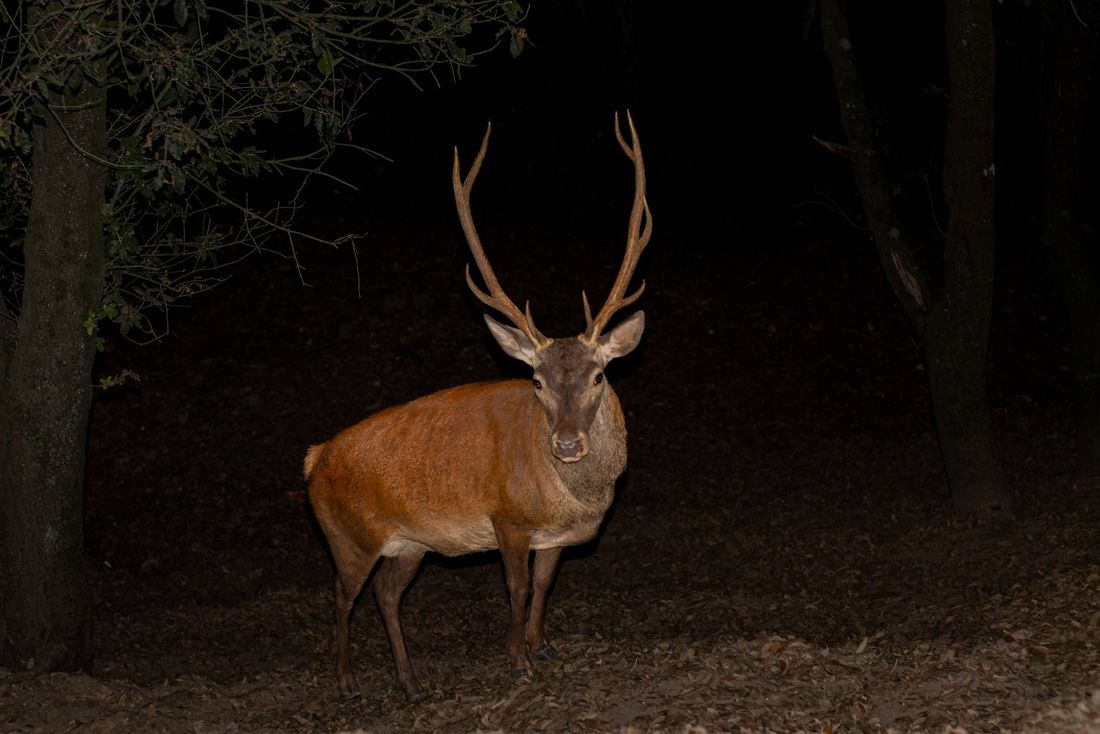
Fig. 01 — Fallow deer, Dama dama
Invasive animals and weeds are estimated to cost Australia around $24.5 billion a year. Feral deer and pigs are part of that bill.
Declared pest. Real damage. Control that is licensed, insured, documented and accountable.
Fallow, red, sambar and chital deer are all established on Australian farmland, and a single mob can undo a season's work in a few nights.
Did you know?A standard farm fence is little obstacle to a feral deer. Most clear it, or push through the wires, on the same crossing night after night.
Off the farm tooSambar deer wallow in creeks, wetlands and alpine bogs, churning up ground that can take years to recover.

By the numbers
What it's costing
- 0 properties Serviced to date
- 0 hectares Under control programs
- 0 removed Animals taken
- 0 years Operating
- Invasive species: est. $24.5B a year nationally
- Feral pigs: up to 24 million, depending on the season
- Feral deer: possibly as many as 2 million
- Six deer species established in the wild
- A feral sow can raise two litters a year
- Pigs carry leptospirosis and brucellosis

Deer and pigs
Damage
A mob of deer moving through at night takes feed meant for stock, crosses the same fence line until the wires give, and rubs the bark off anything young. Feral pigs work the same paddocks, rooting up pasture, fouling dams and taking newborn lambs. Most landholders see the damage long before they see the animals.
Feral deer
6species now wild in Australia, all of them grazing the same country as your stock
-
01
Pasture and crop loss
Grazing pressure competing directly with stock, concentrated on your best feed and your newest sowings.
-
02
Fence damage
Wires stretched and posts loosened on the crossing points, letting stock through behind them.
-
03
Trees and revegetation
Ringbarking and antler rub that kills young trees outright, including new plantings and shelter belts.
-
04
Collisions and biosecurity
Animals on the road at dusk, and constant movement between properties carrying weed seed and disease.
Feral pigs
$150M+a year, a commonly cited estimate of what feral pigs cost Australian agriculture
-
01
Crops and pasture
Rooting turns a paddock over like a plough, wrecking pasture and damaging grain, cane and fruit crops.
-
02
Lambs and stock
Pigs prey on newborn lambs and compete with stock for feed and water in dry times.
-
03
Disease risk
They carry leptospirosis and brucellosis, and could help spread foot-and-mouth disease or African swine fever if either reached Australia.
-
04
Fast breeding
Sows can breed year-round and raise two litters a year, so numbers bounce back quickly after a good season.
How it works
01 / 04
-
01
Assessment
We walk the property with you, look at the damage and the maps, and agree on what is realistic. No obligation, and no charge for the first visit.
-
02
Plan
A written plan covering dates, access, safe directions of fire, neighbour notification and how carcasses are handled. You sign the landholder permission before anything proceeds.
-
03
Operation
Night work carried out to the plan, using thermal and spotlighting when the deer are actually moving. You are told when we arrive and when we leave, and gates are left as we found them.
-
04
Report
A written report within a week: hours worked, ground covered, numbers taken, and a marked map. Plus a recommendation on whether a return visit is warranted.
Moving them on.
A program, not a one-off visit
Whose job is it? The law, in short
-
New South Wales
Under the Biosecurity Act 2015, everyone has a general biosecurity duty: if you know about a pest risk on your land, or reasonably should, you are expected to prevent, eliminate or minimise it.
-
Queensland
The Biosecurity Act 2014 sets a general biosecurity obligation to take reasonable and practical steps to minimise risk. Feral pigs are listed as restricted invasive animals.
-
Victoria
The Catchment and Land Protection Act 1994 requires landowners to take all reasonable steps to prevent the spread of established pest animals, such as feral pigs, on their land.
-
Government
State agencies and councils manage pests on public land, and national action plans for feral pigs and feral deer coordinate control across boundaries, because pests don't stop at the fence.
General information only, not legal advice. Declared species, landholder duties and hunting permits differ between states and change over time, so check with your state's primary industries or environment department.
What we actually do
Services
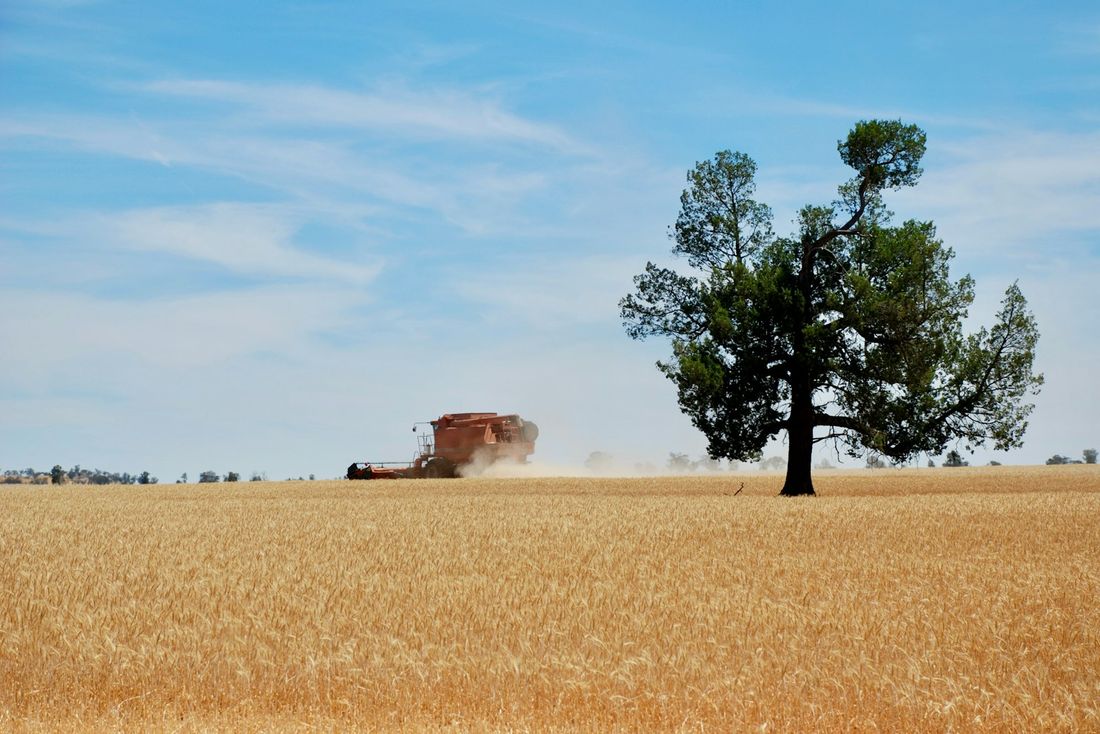
One job, start to finish: find out what is really on the property, work it properly at night, keep the numbers down across the season, deal with the pigs too, bring the neighbours in, and put all of it in writing.
Most properties start with a free assessment
-
01
Property assessment
- Walk-over with you
- Entry, water and feed points mapped
- Honest read on numbers and damage
- No charge for the first visit
-
02
Thermal night operations
- Thermal and spotlighting gear
- Planned routes, safe directions of fire
- Neighbours notified beforehand
- Arrival and departure call
-
03
Ongoing control programs
- Scheduled returns across a season
- Plan reviewed after every visit
- Keeps numbers from rebuilding
- Suits larger or repeat-problem properties
-
04
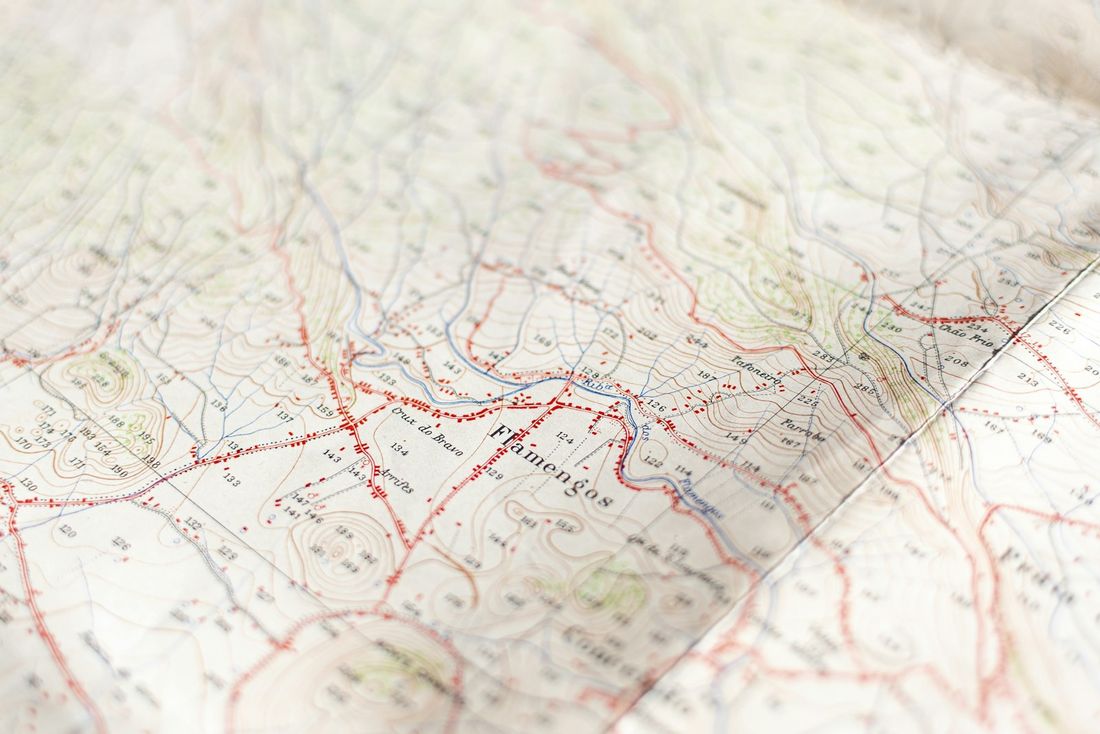
Reporting
- Hours worked and ground covered
- Numbers, sex and age where recorded
- Marked map of the activity
- Ready for council or funding records
-
05
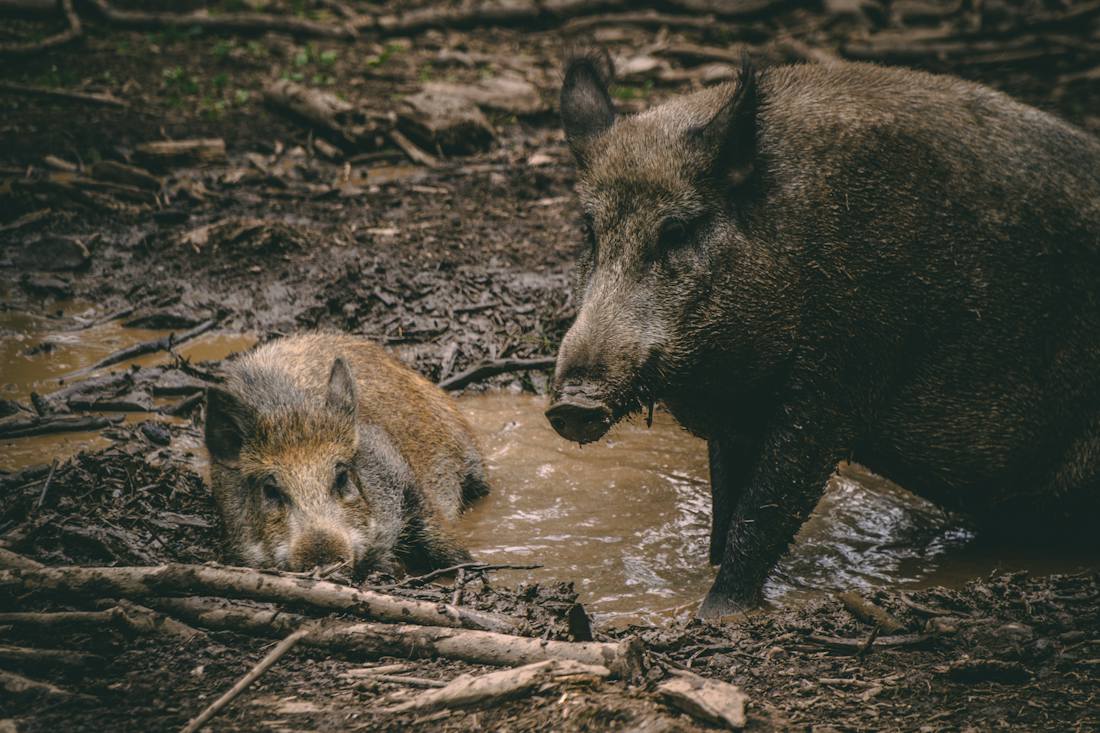
Feral pig control
- Trapping and thermal night work
- Wallows and rooting damage mapped
- Lambing paddocks and dams protected
- Worked on the same visits as deer
-
06
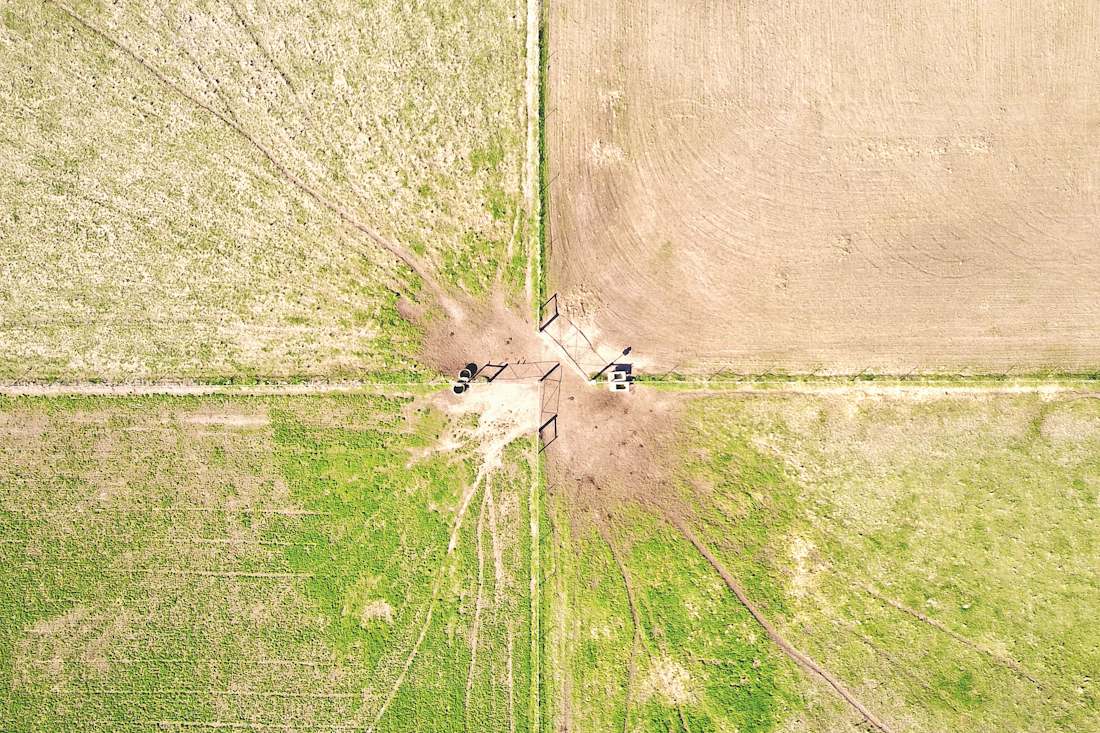
Neighbour programs
- Shared boundaries worked together
- One plan across several properties
- Stops animals just moving next door
- Suits Landcare and district groups
Turned up when they said they would and left the gates the way they found them.
Grazier, placeholder regionHonest that it would take a program, not one visit.
Orchardist, placeholder regionSent the licence and insurance through before I had to ask.
Mixed farming, placeholder region
The report meant council could see exactly what was done on our boundary.
Council land officer, placeholder regionTalked to the neighbours before the night rather than after it.
Hobby farm, placeholder regionThree seasons of losing young trees. The pressure came off after two nights.
Orchardist, placeholder region
Credentials
You are deciding whether to let someone onto your property with a rifle at night. These are the documents you should ask for, and we send copies before the first visit.
- Firearms licence
- Category A/B — No. 0000000
- Public liability
- $20,000,000 — Insurer name
- Accreditation
- Vertebrate pest control accreditation
- Safety protocol
- Risk assessment and fire plan per property, neighbours notified, check-in and check-out calls.
- Permissions
- Written landholder permission for every property, plus tags and authorities where required.
Placeholder content — to be replaced with verified documents
Tell us about it
Roughly where the property is and what you are seeing. The first visit costs nothing.
- Telephone
- 0400 000 000
- ABN
- 00 000 000 000
Request received
In the finished site this would be lodged and you would get a call back within two business days. Nothing has been sent — this form is not connected to a backend yet.